
Understanding the Odds in Casino Games
When entering a casino, players often wonder about the fairness of the games they are playing. Central to this concern is the concept of odds, which dictate the likelihood of winning in various games. Each game has a built-in house edge, a statistical advantage that casinos have over players. This house edge does not imply that the games are rigged; rather, it reflects the calculated probabilities that govern outcomes. For instance, in games like blackjack or roulette, while individual outcomes can be unpredictable, the odds remain consistent over time, allowing players to explore new betting sites australia for a better understanding of their chances of winning.
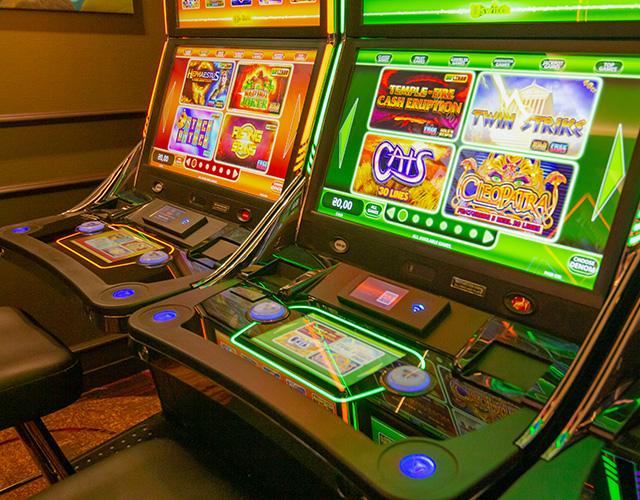
Take slot machines, for example. They operate on random number generators that ensure outcomes are entirely arbitrary. The payout percentage is predetermined, which means that while a player may not win every time, they have a fair chance based on the machine’s design. Understanding these odds can help players make more informed decisions rather than jumping to conclusions about rigging. It’s important to note that adherence to regulations ensures these machines operate fairly and transparently.
Furthermore, many players are unaware that casinos are regularly audited by independent regulatory bodies to verify the fairness of their games. These audits ensure that casinos adhere to the established standards, promoting an environment of trustworthiness. As a result, while luck plays a significant role in casino games, the underlying fairness is upheld through stringent monitoring and regulation, dispelling the myth that casinos are rigged against players.
Common Misconceptions About Casino Manipulation
One prevalent myth is that casinos manipulate games to ensure that certain players always lose. This belief often arises from a misunderstanding of how casinos operate. In reality, casinos thrive on players enjoying the experience and returning for more gameplay. If players consistently lose, they are less likely to return. Therefore, it is against a casino’s best interest to rig games in such a way that players are guaranteed to lose. Instead, they rely on the house edge to maintain profitability while providing a fair chance to win.
Another misconception is that casinos can influence outcomes based on the players at the table. This claim often stems from stories involving streaks that players experience. While a player may feel that the cards are against them during a losing streak, the truth is that each hand of cards is independent of the previous ones. This concept, known as the gambler’s fallacy, can mislead players into thinking they are being targeted by the casino. In reality, the randomness of games is preserved to ensure fairness.

Moreover, the development of online gaming has led to additional myths surrounding manipulation. Some players believe that online casinos are less trustworthy due to their digital nature. However, reputable online casinos utilize advanced encryption technologies and random number generators to ensure game fairness. These platforms are equally subject to regulatory standards, so players can enjoy the same level of integrity as they would in a physical casino. This shows that myths surrounding manipulation can be dispelled through a basic understanding of how casinos operate.
The Role of Technology in Ensuring Fair Play
Modern technology plays a critical role in upholding the fairness of casino games. With the introduction of random number generators (RNGs), games are designed to produce unpredictable outcomes that are essential for fair gameplay. RNGs function by using complex algorithms that ensure each spin of a slot machine or shuffle of a deck is entirely random. This technology eliminates the possibility of rigging, as there is no way for players or casino operators to predict the next outcome based on previous results.
Furthermore, the rise of blockchain technology in online gambling presents even greater transparency and security. Blockchain creates a decentralized environment where transactions and game outcomes can be verified independently, ensuring no interference from the casino itself. This technological advancement reassures players that they are engaging in a fair and open environment, counteracting any myths about rigged games. With every transaction logged on the blockchain, players can trace the origins of their gaming experience.
Additionally, many casinos now employ biometric data and AI technology to monitor gameplay and ensure compliance with regulations. These technologies help identify trends of potentially unfair play and detect any anomalies that could suggest manipulation. By maintaining a keen watch on game integrity through advanced tech, casinos aim to dispel any lingering doubts about fairness. This commitment to transparency is vital for reinforcing player trust and enhancing the overall gaming experience.
The Importance of Responsible Gaming Practices
Another aspect that contributes to the perception of rigged casinos is the lack of understanding regarding responsible gaming practices. Many players, when they experience losses, may attribute their misfortunes to a rigged system rather than recognizing the odds and their own gambling behaviors. Responsible gaming encourages players to set limits on how much they are willing to spend and to understand that gambling is ultimately a game of chance, not skill. This proactive approach helps mitigate feelings of frustration or unfairness.
Moreover, casinos often provide resources for responsible gaming, including self-exclusion programs and counseling services. Their commitment to promoting a healthy gaming environment reflects an understanding that maintaining player well-being is paramount. This commitment not only helps protect players but also contributes to the overall integrity of the gaming industry, proving that casinos are not set up to manipulate player behavior but rather to foster a safe and enjoyable environment.
As part of responsible gaming, players should also be encouraged to educate themselves on the games they choose to play. Understanding the rules and how each game functions can empower players to make better decisions and improve their gaming experience. By fostering knowledge and responsibility, casinos reinforce the idea that fair play is a fundamental aspect of their operations, debunking myths surrounding rigged practices.
Final Thoughts on Casino Integrity
In conclusion, while the belief that casinos are rigged is a common myth, a closer look dispels many of these misconceptions. The transparent use of technology, strict regulatory oversight, and the emphasis on responsible gaming practices all contribute to a fair and enjoyable gaming experience for players. Understanding the mechanics behind casino games can help players appreciate the role of luck and strategy without jumping to conclusions regarding manipulation.
It’s essential for players to engage with casinos that prioritize integrity and transparency. By choosing reputable establishments that adhere to industry standards and regulations, players can ensure their experiences are not only enjoyable but also fair. This understanding helps foster a healthy relationship with gaming that is crucial for enjoyment and participation in the casino world.
The commitment of casinos to uphold fairness is evident through their operations, regulations, and advancements in technology. As players continue to enjoy the thrill of casino games, debunking common myths allows for a more informed and positive experience in this exciting form of entertainment.